

Legal Disclaimer: Past performance does not guarantee future results, which may vary. The economic and market forecasts presented herein are for informational purposes as of the date of this presentation. There can be no assurance that the forecasts will be achieved. Copyright 2026 Alpha Rho Technologies LLC. All rights reserved.
Bottom line
Kevin Warsh failing to walk the walk could act as the catalyst for gold to resume its uptrend, with its long-term fundamentals still intact. Drawdowns of this magnitude have historically offered attractive one-year returns alongside low correlation to both equities and fixed income.
In the fund portfolio we maintain a 5% allocation to gold.
Current Backdrop
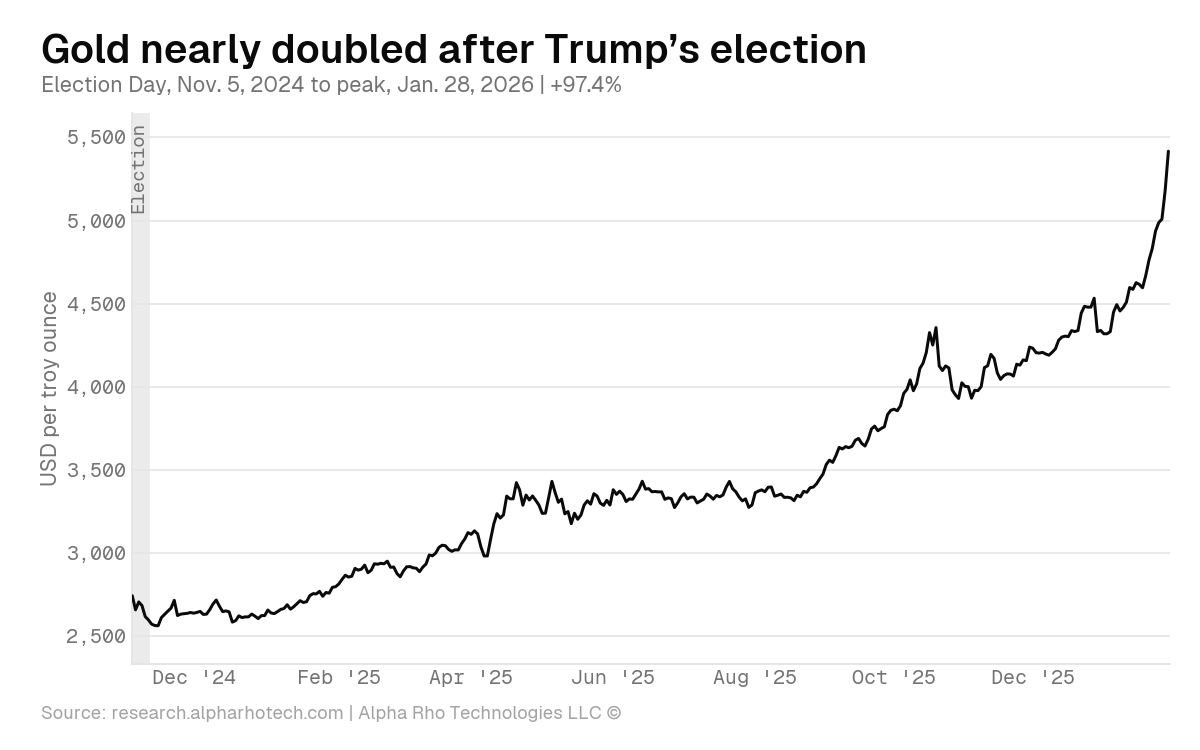
Gold rallied 97.4% following Trump's election on November 5, 2024, driven by fears that monetary policy was losing its independence from fiscal decision-making. Confidence in the dollar eroded, and investors turned to gold as an alternative to fixed income.
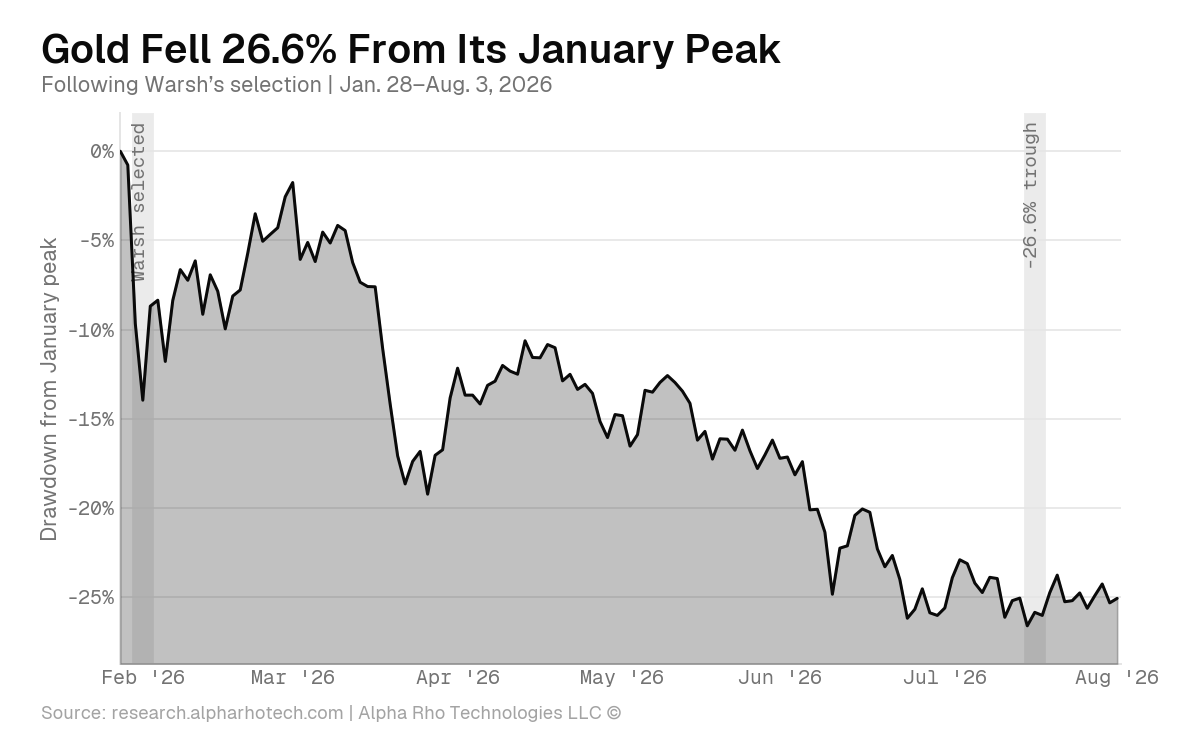
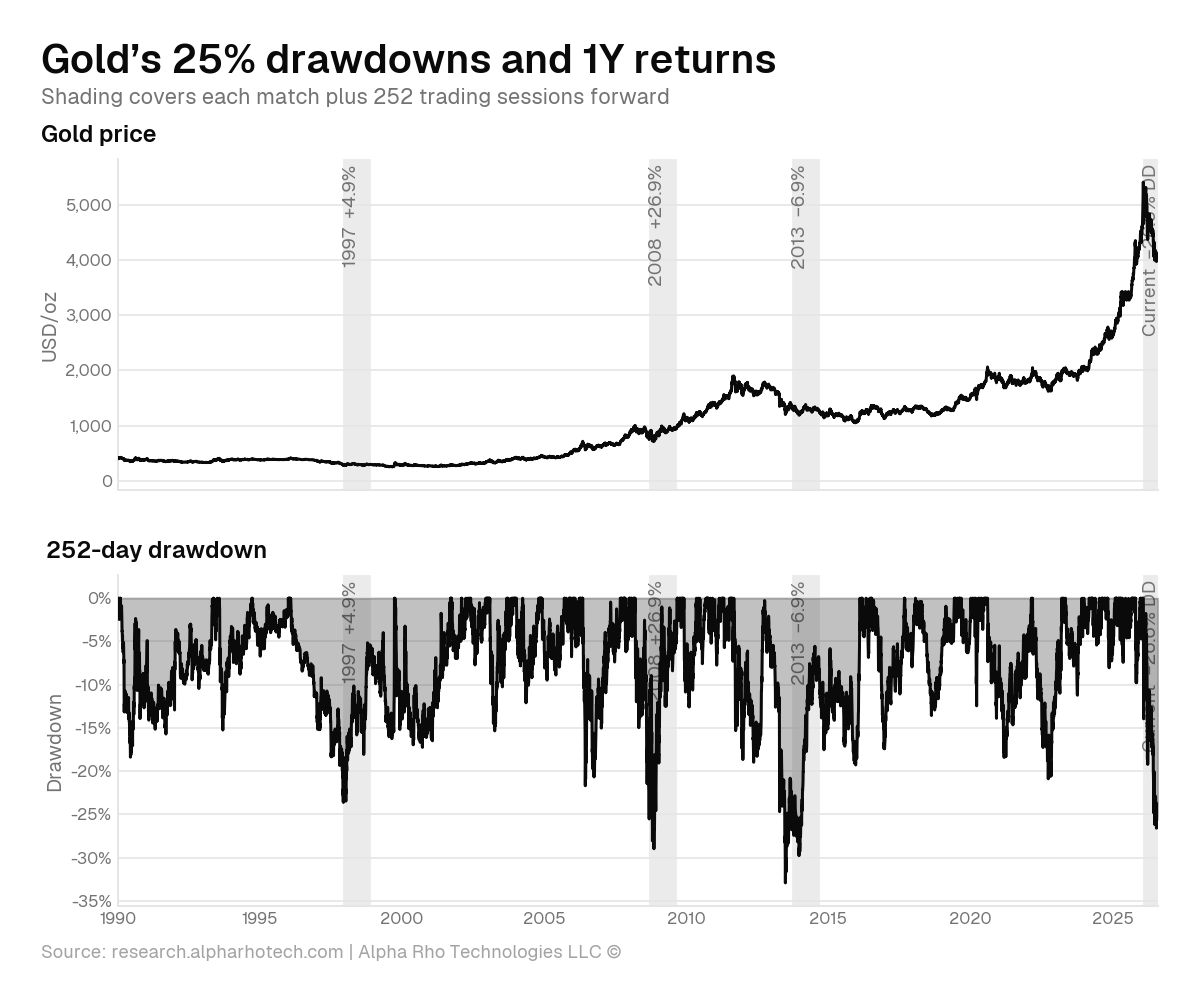
Since Kevin Warsh's nomination as Fed chair, his press conferences have struck a consistently hawkish tone. Markets moved from pricing two cuts to an 83% probability of a hike before year-end, a repricing of roughly 75bps. In effect, the market swapped a Trump-influenced Fed for a more coherent and independent one, and gold fell 26.6% from January 28 to July 16, 2026.
After this rate repricing, what else triggers further downside on gold prices?
Uptrend catalyst: Warsh’s Bluff
Warsh has been hawkish in order to rebuild investor confidence in the dollar. He has talked the talk; now he has to walk it, and I doubt he will.
At the latest FOMC meeting he voted to hold rates steady while three other members voted to hike. That is not how a genuinely hawkish chair behaves amid the largest oil supply disruption on record, and it is a clear bullish catalyst for gold.
Fundamentals behind the trade
Gold’s long-term fundamentals are still intact.
Unsustainable fiscal policy
If you believe governments are not good capital allocators, gold is your hedge.
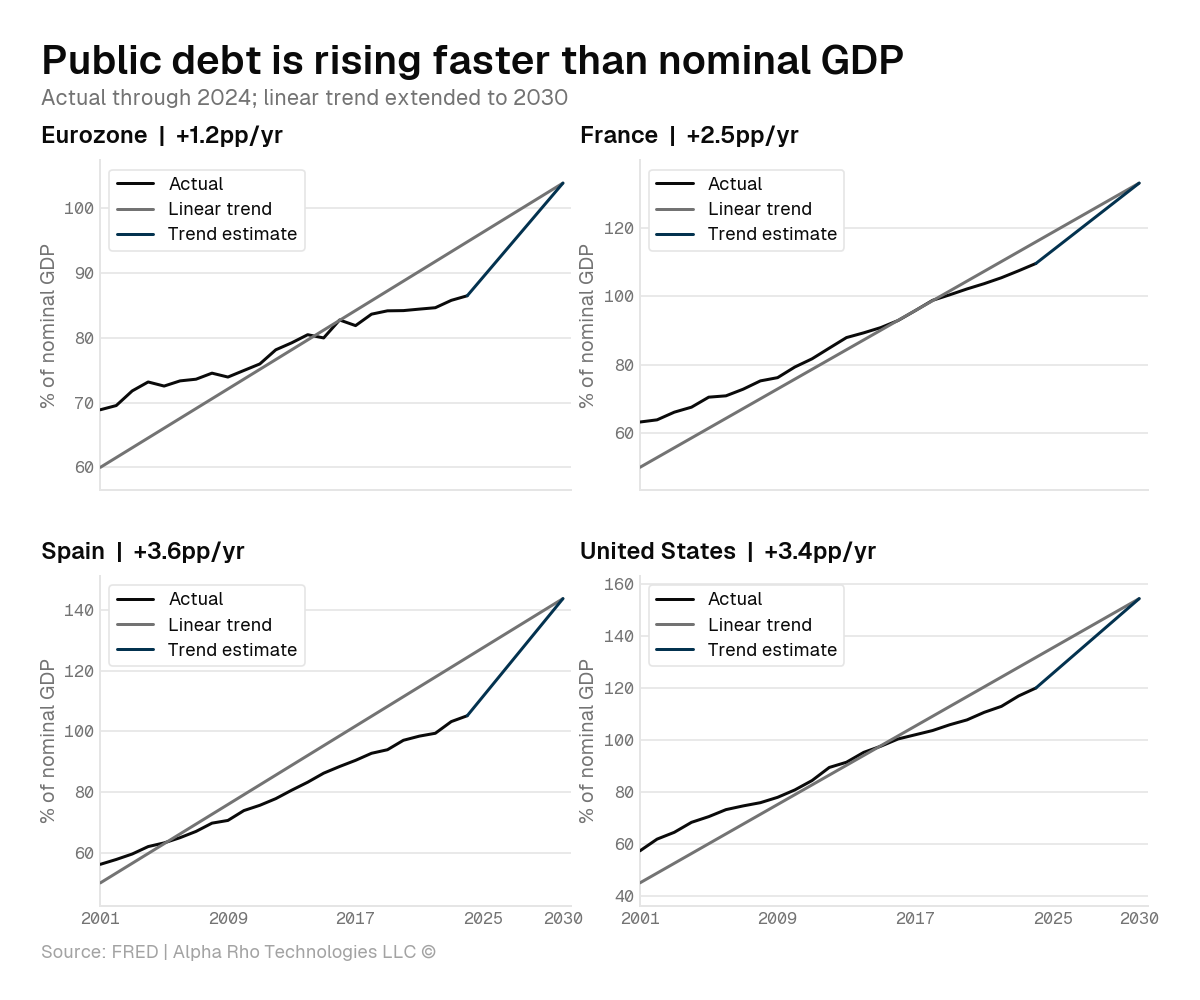
If the government invested this debt efficiently, real growth would lift nominal GDP faster than the debt itself compounds, and tax revenue would outpace interest payments. Its track record suggests otherwise, and the gap is widening.
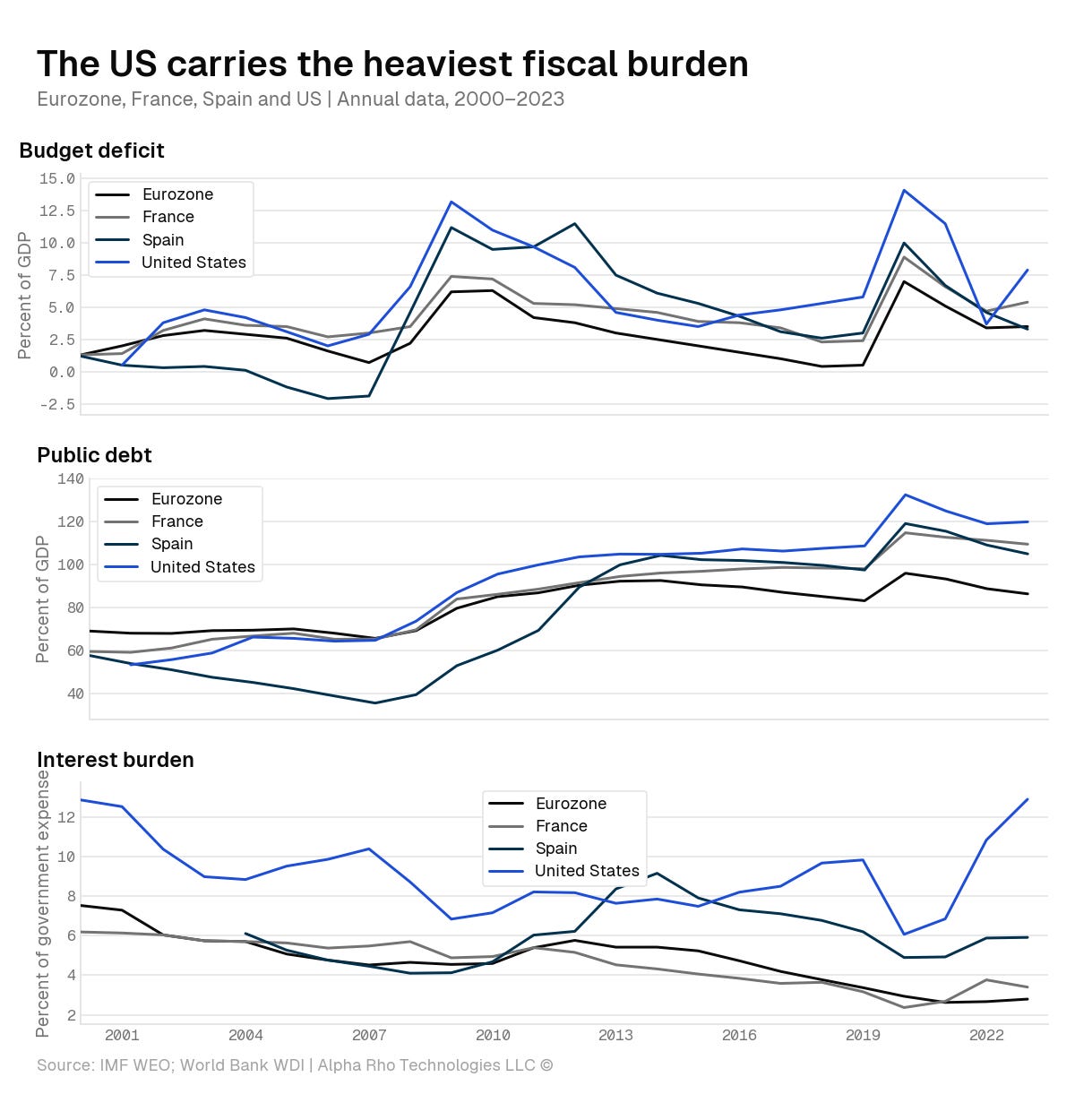
As a consequence, government budget deficits are growing worldwide, which means more debt issuance, and more debt issuance means higher interest payments, which increase the risk of a debt spiral and hyperinflation.
In addition, this fiscal madness constrains monetary policy decision-making, as Japan is currently demonstrating. Highly leveraged governments are very sensitive to central bank interest hikes, so inflation control is severely limited.
2008 was a private sector debt crisis; next is a public debt crisis, and when it’s about public debt, it’s the currency that is at risk, and that’s where gold shines.
Currency weaponization and geopolitical volatility
The dollar and the euro have long been used as instruments of sanction, with Russia and Iran the most recent examples. As geopolitical volatility rises, central banks, corporations, and individuals have growing reason to prefer gold over foreign currency assets that can be frozen or seized.
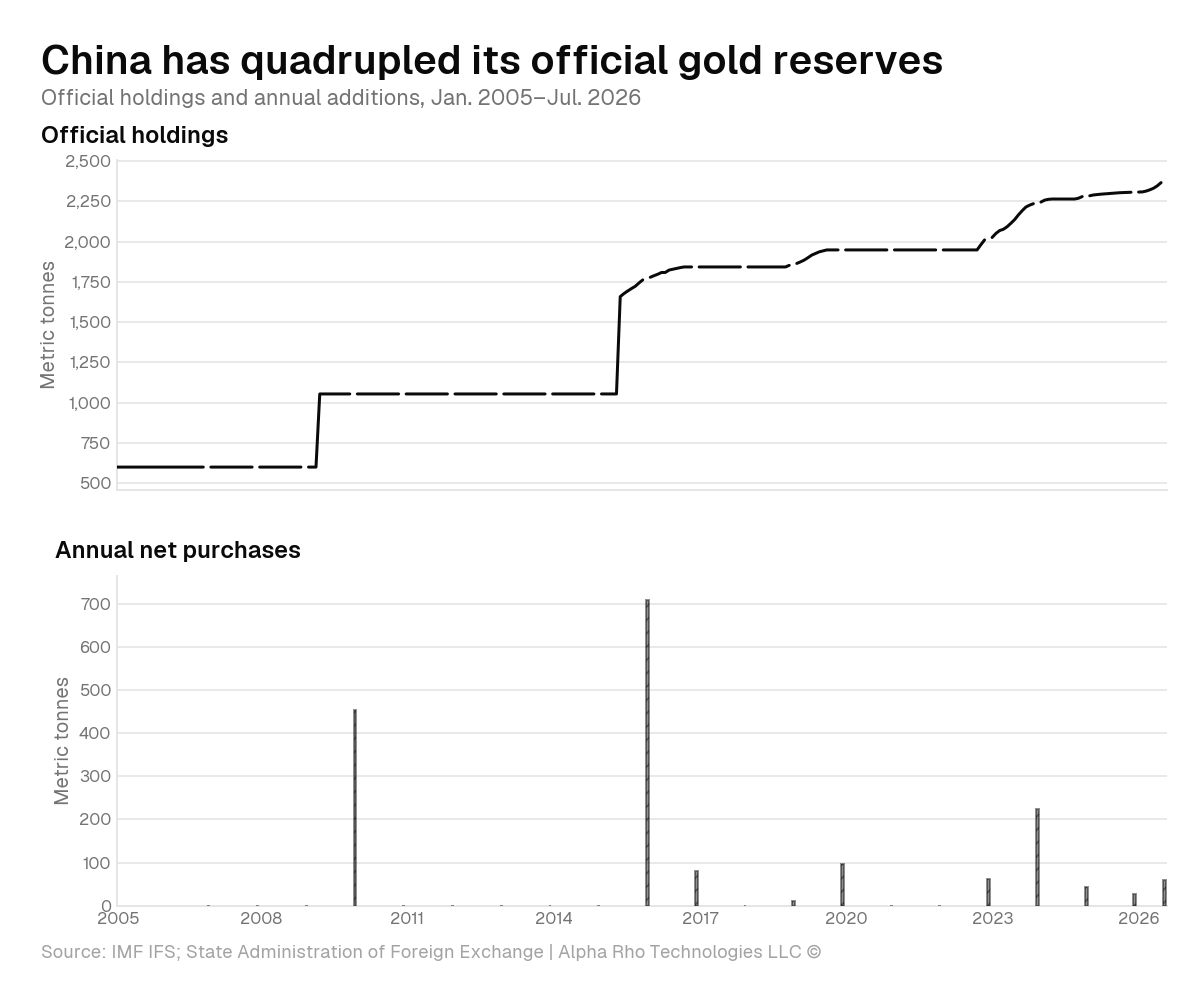
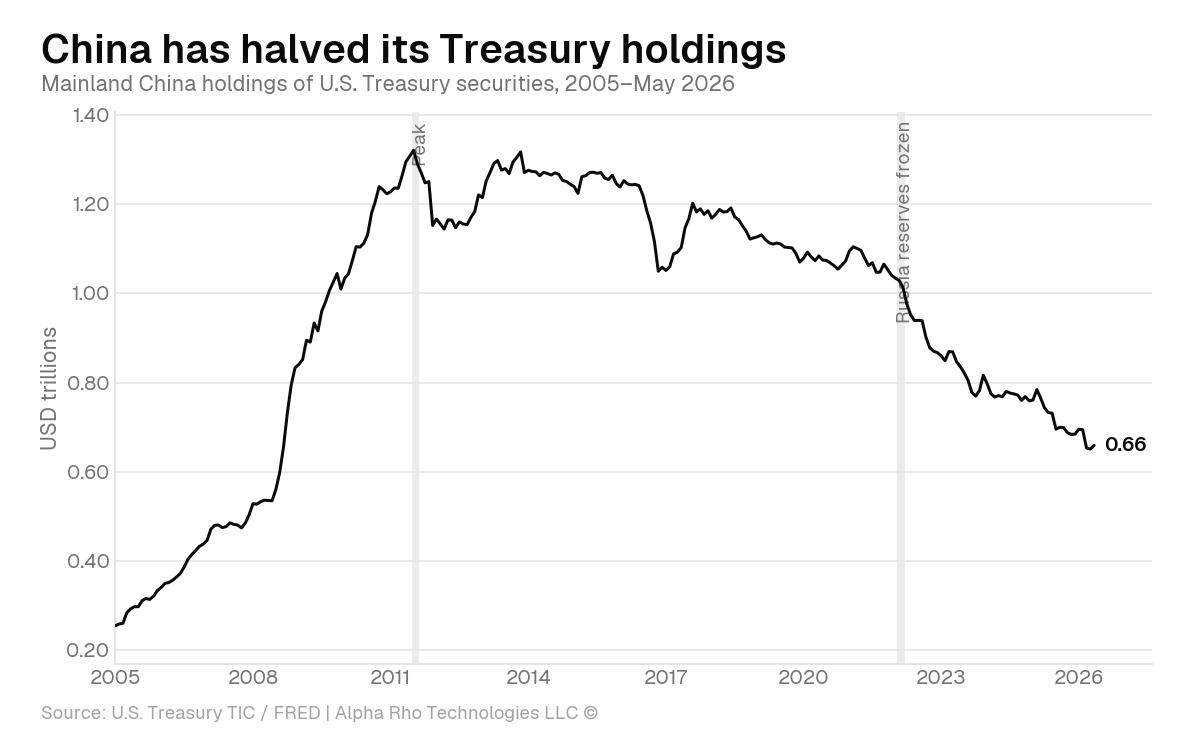
China is the clearest case. It has multiplied its gold reserves several times over while roughly halving its Treasury holdings, flows that suggest both a lack of confidence in the reserve currency and a deliberate effort to limit sanction exposure.
Could they be preparing themselves for a war in the Taiwan Strait?
Such an event would be a genuine black swan: current growth expectations rest heavily on the AI value chain, and that chain is concentrated in Taiwan. Were it to materialize, gold would almost certainly appreciate.
Similar historical drawdowns
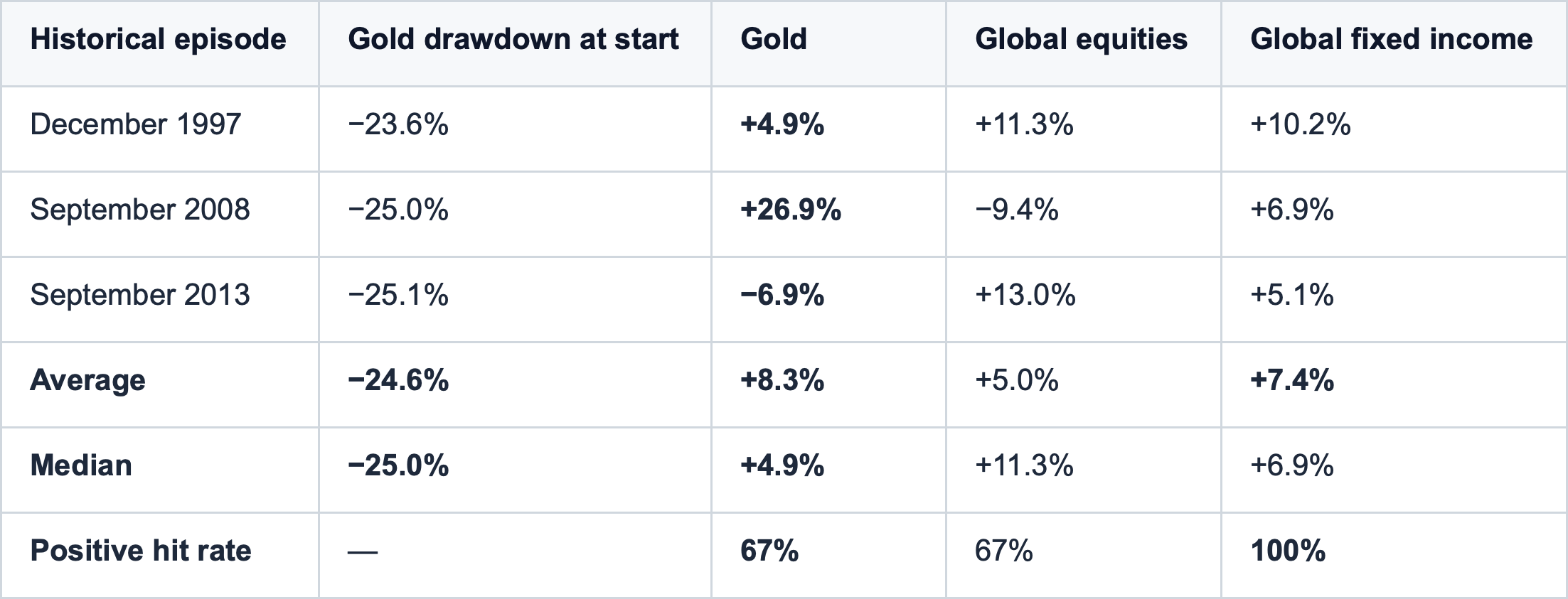
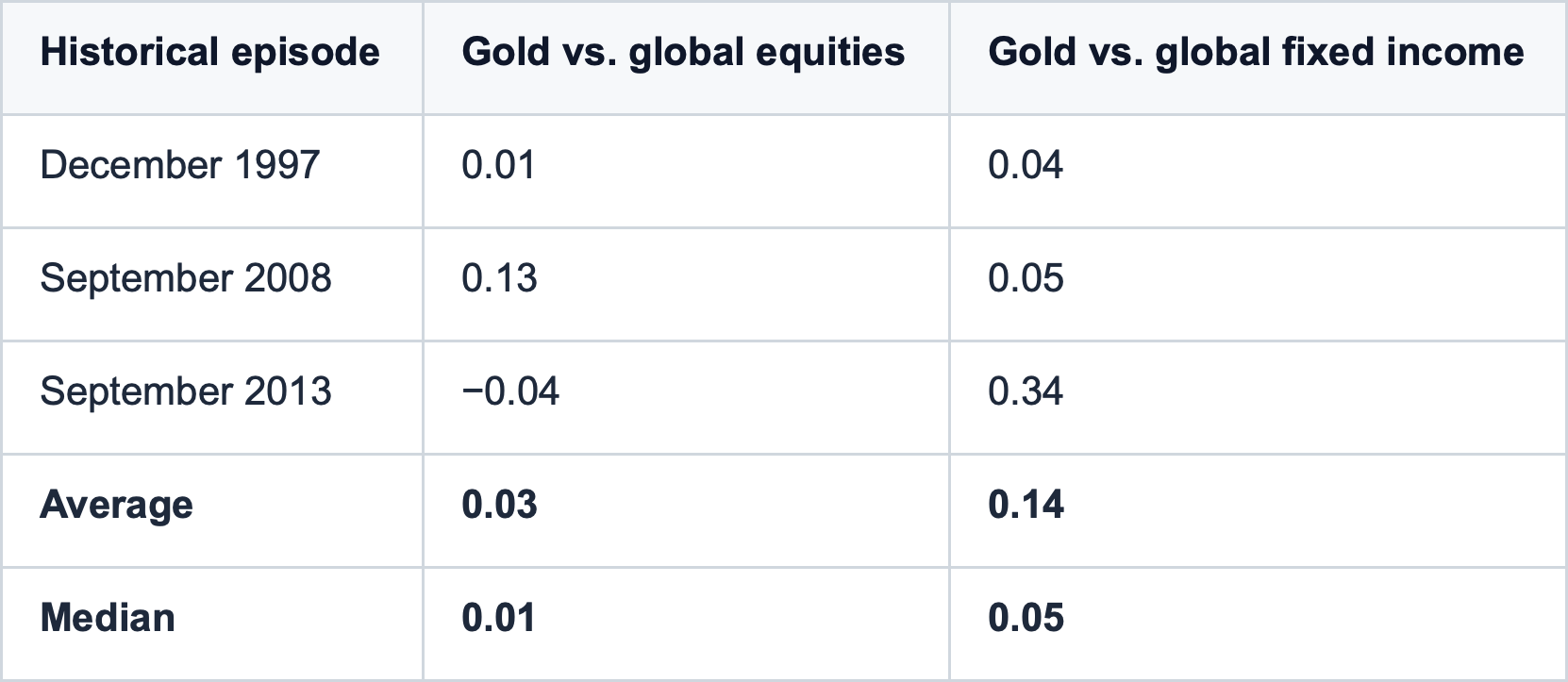
During similar historical drawdowns, gold has delivered positive returns while maintaining a low correlation to equities and fixed income.
One-year forward performance after comparable gold drawdowns
Gold’s correlation during the subsequent year
Annualized Sharpe ratio during the subsequent year
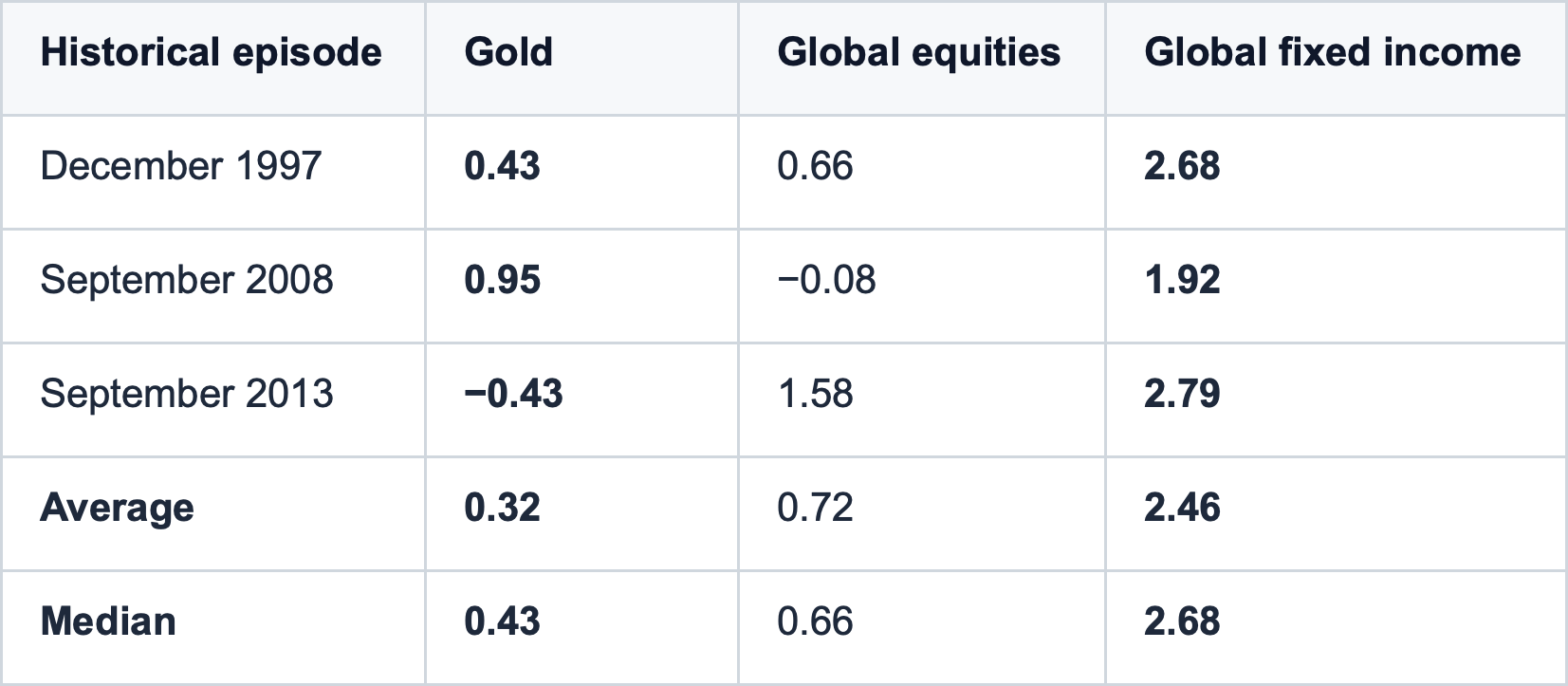
Gold generated an average 8.3% one-year return after comparable drawdowns, but the range was wide at −6.9% to +26.9%. Fixed income delivered the most consistent outcome, with positive returns in all three periods.
Gold’s average correlation was only 0.03 with global equities and 0.14 with global fixed income. Its most valuable portfolio characteristic was therefore not consistent outperformance; it was low overlap with traditional assets across materially different macro regimes.
Research suggestions
Questions and research requests are more than welcome. Email contact@alpharhotech.com or use the subscriber chat.
